For the love of chai


They say, you can’t happiness but you can buy tea and it’s pretty much the same. Travelled from China to Assam in India, tea has become a special part of the Indian culture. By Supriya Aggarwal
India is one of the most diverse countries on the planet and it is believed that the language here changes every 20kms. Tea also changes its presentation, preparation, texture and taste from one part of the country to the other and what better season than monsoon to talk about this favourite beverage. While kahwa is the green tea of Kashmir and is prepared with dry fruits and saffron, the evenings of Mumbai city cannot be complete without cutting chai. Grown mostly in the north-eastern and southern part of India, here we bring to you some exotic and popular varieties of tea in India.

Kahwa
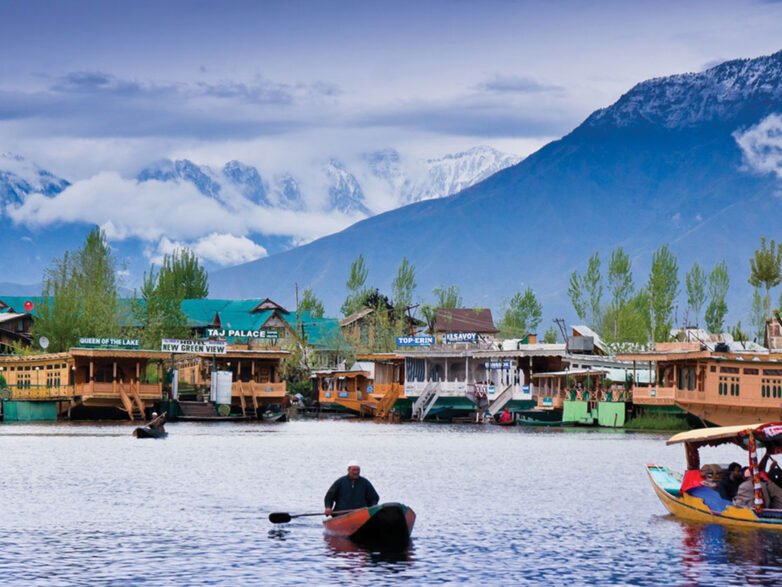
Starting from the northern most state Kashmir, Kahwa is a green tea brewed with saffron, cinnamon and cardamom. It is a popular breakfast beverage among the Kashmiris and is generally accompanied with special Kashmiri baked items like girda. Traditionally, kahwa is prepared in Samovar, an elaborate copper kettle and is served with honey and crushed nuts, mainly walnuts and almonds. It is a milk-less preparation and is usually served to guests or as a part of celebration meals.

Assam Tea
It is only in the north-eastern state of Assam that tea leaves were first found in the Indian subcontinent by Robert Bruce, a Scottish adventurer. Since then, the state has become synonymous with tea. The identity is so strong that one of major varieties of tea is known as Assam tea. It is a black tea named after the region and is mild in flavour. Identified as the breakfast tea of Assam, the state is also the world’s largest tea-growing region.

Noon chai
Another very distinct variant of tea is prepared in Kashmir itself and it is known as Noon chai. It is called so because it is drunk during the afternoons. This amazingly pink beverage is made from the same tea leaves as green tea but varies dramatically in taste. A bit salty and incredibly creamy, this tea is as unique in taste as it is in appearance. The pink colour is due to the use of baking soda in its preparation. It is also believed that Noon chai originated in Kashmir and the addition of dry fruits helps to keep the body warm in this cold region.

Masala chai
The very sound of it resonates in the mind and heart of every tea lover and I can hear words, the national beverage of India. Masala chai is the favourite rendition of tea and can be easily found in most parts of the country. In north India, there are tea corners known as tapris where this tea is served. A dash of spices always makes it a lot more interesting, especially on cold winter days and wet monsoon ones! Made by brewing black tea with a mixture of aromatic Indian spices and herbs, masala chai is native to India and the spice mixture known as karha uses a base of ground ginger and green cardamom pods. Other spices are usually added to this base or karha. For example, most masala chai found on the street, in restaurants or in homes incorporates one or more of the following along with ginger and cardamom, namely: cinnamon, star anise, fennel seeds, peppercorn, nutmeg and cloves.

Cutting Chai
Amchi Mumbai…this is the first thing that comes to the mind when one hears cutting chai. Famous in the city of Mumbai in Maharashtra, cutting chai is nothing but half cup of tea. It is a perfect concoction of milk, tea, sugar, ginger and cardamom. In a way, it is the smaller and stronger version of masala chai as it is brewed for a longer time for strong colour and flavours. The financial capital of India, Mumbai boasts of some of the best street foods to be served with cutting chai and vada pao tops the list, which is also a staple breakfast option for Mumbaikars.